
Separate venue details from search assumptions
A practical distinction between casino-linked stays and nearby properties, with related searches grouped by the questions they raise.

Table of Contents
Table of Contents
- Brisbane Casino Accommodation: Hotel Rooms and Nearby Stays
- Restaurants, Breakfast and Buffet Searches
- Food and Pool Queries
- Parking and Online Casino Searches: Two Different Questions
- Contact Details and Casino Gaming Searches
- Opening Hours, Events and Development Queries
- Address, Dress Code, Bars and Spa Searches
- Poker Rooms and Tournament Searches
Brisbane Casino Accommodation: Hotel Rooms and Nearby Stays
A hotel associated with a casino and a hotel near a casino are different accommodation choices. The first description suggests that rooms may be part of the same property or directly connected to it; the second means that a separate hotel is located in the surrounding area. Neither wording, by itself, confirms that rooms are available, that a particular hotel is affiliated with a casino, or that a booking includes access to any venue facilities.
That distinction matters when comparing Brisbane accommodation. A listing described as a casino hotel may refer to an on-site hotel, a nearby property using the casino as a landmark, or a package assembled by a booking provider. The name and headline are not enough to establish which arrangement applies. The property address, booking conditions and the operator responsible for the reservation are more useful evidence.
On-site rooms versus nearby hotels
An on-site hotel, if offered, is accommodation within the casino property or a directly connected development. A nearby hotel is a separate property that requires its own booking and may involve a walk, public transport or another journey to reach the casino. “Near” is a relative description, not a precise measure of distance or travel time.
Top operators
Choosing an online casino while in Brisbane means checking the details that matter to you, including licensing, deposit minimums and payout information where available. Use these operator notes as a starting point and review the terms before signing up.
-
Uptown Pokies
- License
- Curacao (operating since 2017)
- Min. deposit
- A$20
Uptown Pokies has operated since 2017 and lists a Curaçao license. Its minimum deposit is A$20.
-
WinSpirit Casino
- License
- Curacao eGaming OGL/2024/923/0383 (Antillephone N.V.)
- Min. deposit
- A$30
WinSpirit Casino lists a Curaçao eGaming license, OGL/2024/923/0383, held by Antillephone N.V. The minimum deposit is A$30.
-
Golden Pokies
- License
- Curacao
Golden Pokies lists a Curaçao license. No deposit or payout details are provided here.
-
SkyCrown
- License
- Tobique Gaming Commission
- Payout speed
- crypto ~10-15 minutes, fiat 1-5 days
- Min. deposit
- A$30
SkyCrown lists a Tobique Gaming Commission license and a minimum deposit of A$30. Its stated payout times are around 10–15 minutes for crypto and 1–5 days for fiat.
-
LuckyVibe
- License
- Curacao Gaming Control Board OGL/2023/176/0095 (Hollycorn N.V.)
LuckyVibe lists a Curaçao Gaming Control Board license, OGL/2023/176/0095, held by Hollycorn N.V. No deposit or payout details are provided here.
-
MrPacho
- Payout speed
- crypto 30-120 minutes, fiat 24-72 hours
- Min. deposit
- A$30
MrPacho lists a minimum deposit of A$30. Stated payout times are 30–120 minutes for crypto and 24–72 hours for fiat.
-
7Bit Casino
- License
- Curacao, operated by Dama N.V.
7Bit Casino is listed as Curaçao-licensed and operated by Dama N.V. No deposit or payout details are provided here.
-
Thor Casino
- License
- Curacao – Antillephone N.V. (Versus Odds B.V.)
- Min. deposit
- EUR 20
Thor Casino lists a Curaçao license from Antillephone N.V. (Versus Odds B.V.). Its minimum deposit is EUR 20.
-
GoldenCrown
- License
- Curacao Gaming Control Board OGL/2023/176/0095 (Hollycorn N.V.)
GoldenCrown lists a Curaçao Gaming Control Board license, OGL/2023/176/0095, held by Hollycorn N.V. No deposit or payout details are provided here.
-
Ricky Casino
- Payout speed
- crypto under 1 hour, PayID 1-3 business days
- Min. deposit
- A$20 (A$30 to qualify for the bonus)
Ricky Casino lists a minimum deposit of A$20, or A$30 to qualify for the bonus. Stated payouts take under an hour for crypto and 1–3 business days for PayID.
The practical difference is not merely convenience. With an on-site stay, the room reservation and the casino venue may be associated with one location, but that does not establish that every facility or service is included with the room. With a nearby stay, the hotel and casino are separate businesses unless the booking terms explicitly say otherwise. Room charges, cancellation rules, guest services and any inclusions should therefore be assessed under the terms of the actual accommodation provider.
A result labelled as a Brisbane casino hotel should be checked against the property’s own description. The address should identify where the building is, while the booking page should make clear whether the reservation is for that property or for another hotel nearby. A map pin can help distinguish the two, but a map alone does not confirm a relationship between businesses or a walking route that suits every guest.
How to compare hotel deals
A hotel deal is a price presentation, not a complete statement of the booking. The displayed amount may depend on dates, room type, occupancy, cancellation conditions or other terms. A comparison is meaningful only when the same stay details are used across listings and the final booking screen is reviewed before payment.


The total cost should be considered alongside the conditions attached to it. A lower displayed rate may have stricter cancellation terms, while a more flexible reservation may have a different total. Any taxes, service charges or other amounts shown during checkout should be included in the comparison. If the price changes between the initial listing and the final stage, the amount to assess is the one presented for confirmation, not an earlier headline.
Inclusions also need precise wording. A package may describe particular benefits, but a phrase such as “casino hotel deal” does not establish what those benefits are or whether they apply to every room. The terms should state what is included, who provides it and whether a separate reservation or eligibility condition applies. Promotional language has no accounting value until the benefit and its conditions are clear.
Booking channel matters as well. A reservation made through a third-party platform may be governed by that platform’s process for changes or cancellations, while the accommodation provider controls the room itself. The booking confirmation should identify the property, dates, room category, total charge and applicable terms. If any of these differ from the original listing, the discrepancy should be resolved before the reservation is treated as settled.
Choosing a hotel near the casino
For nearby accommodation, location should be checked against the specific destination rather than inferred from a hotel’s name or a broad “Brisbane” label. A property can be in the same general area without being immediately adjacent. The route, transport options and expected arrival time are separate considerations; a pin on a map does not guarantee that a journey will be direct or convenient.
Do
- Check the hotel's confirmed address against the casino's confirmed address
- Use a current map or transport source to assess distance and route
- Read booking terms for the specific selected room
Don't
- Rely on broad labels like "Brisbane" or a hotel's name
- Substitute an address check with phrases like "close to" or "within walking distance"
- Treat general property information as interchangeable with specific room terms
The relevant comparison is between the hotel’s confirmed address and the casino’s confirmed address. Once both are known, the distance and route can be assessed using a current map or transport source. Descriptions such as “close to” and “within walking distance” are not standard measurements, so they should not substitute for an address and a route check.
Accommodation listings should also be checked for the room actually being sold. A property may show several room categories, and a general hotel page may describe facilities that are not attached to every room or included in every reservation. The booking terms should be read for the selected room, not treated as interchangeable with general property information. This is particularly important when a deal headline makes a room sound more comprehensive than the itemised reservation.
What a room listing establishes
A room listing establishes only what its terms specify. It may identify the property, room category, stay dates, occupancy conditions and payment or cancellation rules. It does not automatically establish a connection to a casino, entry to venue facilities, transport, upgrades or other extras. Those points require explicit confirmation from the relevant business.
The phrase “casino hotel rooms” can therefore lead to two separate checks: whether a hotel is actually part of or connected to the casino property, and whether the selected room is available on the required terms. A listing may answer one question but not the other. A booking confirmation tied to a named property and a specific room category is a stronger basis for a decision than a general accommodation search result.


Availability is date-dependent. A page that describes a hotel or room does not confirm that the same option can be booked for a particular stay. Likewise, a rate shown for one set of dates does not establish the rate for another. Availability and price should be checked at the point of booking, with the dates and conditions visible in the final offer.
The same discipline applies to claims about proximity. A hotel can be a reasonable alternative to an on-site stay, but “near the casino” does not reveal how long the journey takes, what route is available, or whether the property has any formal relationship with the venue. Those are distinct facts and should be verified separately.
For a Brisbane stay, the clean comparison is between confirmed accommodation options rather than labels: identify the exact property, establish whether it is on-site or separate, compare the final cost under matching dates and conditions, and record what the booking actually includes. A headline can suggest a convenient package. The reservation terms determine what has been purchased.
Restaurants, Breakfast and Buffet Searches
A breakfast listing is not the same as a confirmed breakfast service. Searches for dining at a Brisbane casino may refer to a restaurant, a buffet, a package attached to a stay, or an older listing that no longer reflects current arrangements. Each possibility has different terms. The useful comparison begins with the exact venue name and service being offered, then checks whether the details apply to the intended date.
A buffet breakfast and a restaurant breakfast should not be treated as interchangeable. A buffet describes a service format; it does not establish what food is included, whether the service is available every day, or whether it is open to people who are not staying at a hotel. A restaurant may instead offer a menu, a set service period, or a breakfast package. Those distinctions matter because a headline can describe the venue broadly while the booking conditions apply only to a particular service or guest category.
Before relying on a Brisbane casino breakfast listing, check the current venue page or contact the venue directly. The details to confirm are the service name, the date and time it operates, whether advance booking is required, and whether access is open to non-hotel guests. If the listing describes a package, its inclusions and exclusions should be read separately from the restaurant description. A package label alone does not settle whether breakfast is part of the price or an optional extra.
Price comparisons need the same discipline. A listed amount may apply to a particular menu, package or booking condition rather than every breakfast service. Check whether the price is per person, whether it includes the stated food and any drinks, and whether taxes or other charges are included. If the information is not explicit, the total cost is not established. A low headline price is not a saving until the final amount and the service attached to it are clear.
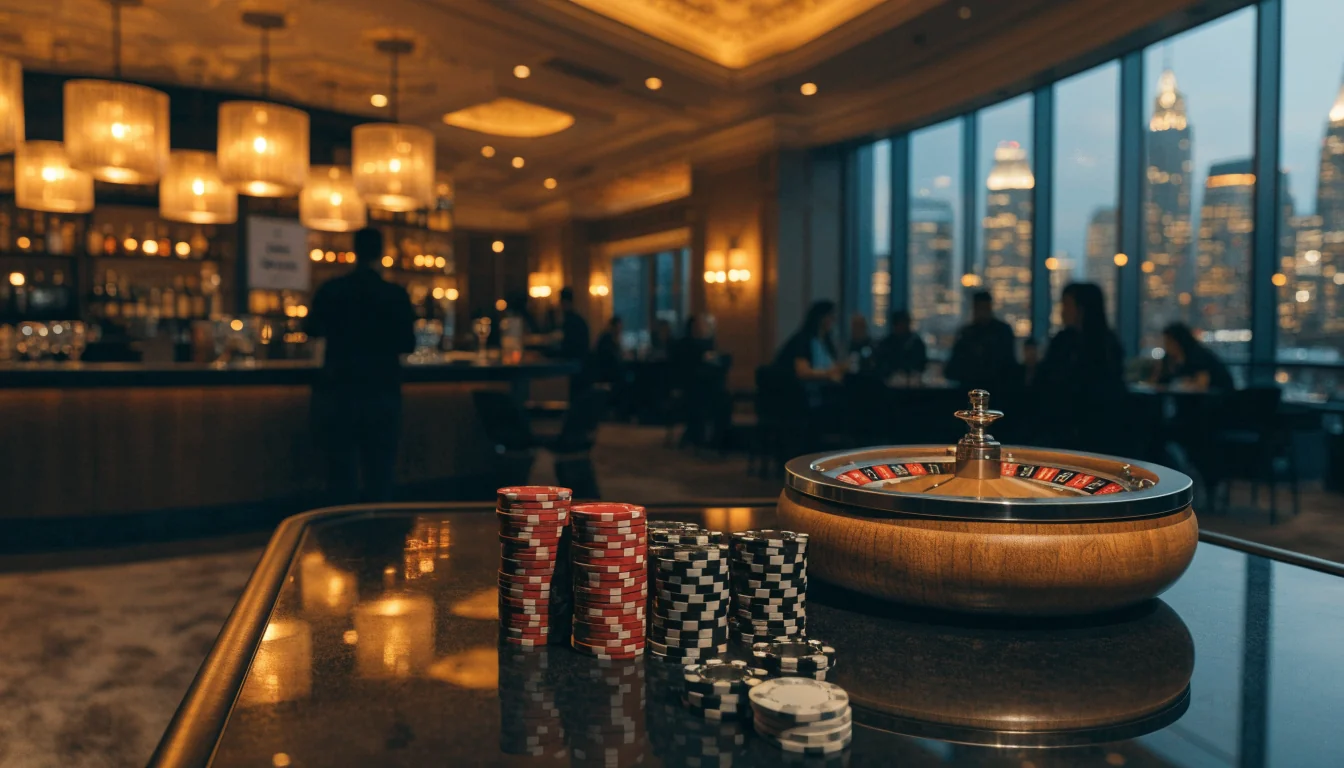

Buffet searches deserve particular care because the word can create an expectation of a broad, self-service meal. It does not verify that a buffet exists, that it serves breakfast, or that its offering remains the same across dates. A current description should specify the meal period and service format. Where those details are absent, the reliable conclusion is limited: the listing uses the term, but the scope of the offer still needs confirmation. Menus, photographs and third-party listings can help identify what a venue has advertised, but they are not substitutes for current booking conditions.
The phrase “casino resort” can also blur separate arrangements. It may be used as a broad description of a destination, but it does not by itself establish that a particular property has a hotel, restaurant, breakfast service or buffet. Each facility is a separate claim and should be checked against the relevant venue information. For dining decisions, the practical question is not whether a place is described as a resort; it is which food service is operating, for whom, and on what terms.
Breakfast plans can be affected by timing and access conditions. A booking confirmation should identify the venue and meal service rather than rely on a general reference to dining. If breakfast is important to a stay, the reservation should state whether it is included or separately chargeable. If the booking is for a restaurant only, its confirmation should identify the selected service and any applicable conditions. This avoids treating a hotel reservation, a restaurant reservation and a meal package as one transaction when they may be separate.
Dietary needs also require direct confirmation. A general menu label does not establish that a dish is suitable for a particular diet or that the kitchen can accommodate an allergy. Current menu descriptions and venue responses are more useful than assumptions based on past visits or archived photographs. The relevant detail is the response for the specific service and date, not a general impression of the venue.
Casino rewards searches require a separate calculation from food listings. A rewards programme may have its own eligibility rules, earning conditions, exclusions and redemption terms; its name does not establish that a breakfast or buffet discount is included. Any dining benefit should be checked in the current programme terms, including which venues accept it, what transactions qualify and whether a booking or account status is required. A reward has a cash value only when its conditions can be met and the redemption reduces the amount otherwise payable. Points, membership language and promotional labels are not substitutes for a stated benefit.
The same separation applies to jobs associated with a casino or resort. A hospitality vacancy may concern a restaurant, kitchen or service role, while other vacancies may sit elsewhere in the business. A general jobs page does not establish that a particular role is open. Current vacancies should identify the employer, role, location, duties and application process. Those details should come from an official careers channel or a clearly attributable employer listing; an old advertisement is not evidence of an active position.

For candidates comparing hospitality roles, the useful terms are the responsibilities, required experience, employment arrangement, roster expectations and pay information where stated. If a listing omits a material condition, it remains unresolved rather than implicitly favourable. Recruitment messages that request payment or sensitive financial details before the employer and role can be verified should be treated cautiously. A job title linked to a casino brand is not proof that the position is directly employed by the venue.
The food decision and the employment decision therefore need different checks. For breakfast or a buffet, confirm the service, date, access, inclusions and final charge. For a rewards benefit, confirm the redemption conditions and actual saving. For work, confirm that the vacancy is current and that its terms are clear. A venue’s broad label may cover several businesses and services; it does not make their prices, eligibility rules or availability identical.
Food and Pool Queries
Food-court and pool searches concern separate facilities, so one should not be treated as evidence of the other. A casino listing may mention food nearby without establishing that a dedicated food court is part of the venue. Likewise, a pool associated with a hotel or another nearby property is not necessarily a casino facility.
For food-court information, the useful distinction is between a facility inside the casino complex and food options elsewhere in the surrounding area. A listing should make that location clear. If it does not, the label alone leaves a practical gap: it says little about where the food is or whether access is connected to the casino.
Food Court vs Pool Access
Food-court availability and pool access are separate facilities and are not interchangeable amenities; neither can be inferred from the presence of other restaurants or accommodation in the area.
Pool information requires the same separation. A photograph, hotel reference or nearby attraction does not establish that casino guests can use a pool. Nor does the word “pool” specify whether the facility belongs to the casino, a separate accommodation provider or another business. Access conditions and operating details need confirmation from the responsible venue before they are treated as part of a casino visit.
These distinctions matter when comparing Brisbane casino facilities. Food-court availability and pool access are not interchangeable amenities, and neither can be inferred from the presence of restaurants or accommodation elsewhere in the area. A clear current listing should identify the facility, its location and who operates it. Without that detail, the reliable conclusion is limited: the listing has not established that the feature is available as part of the casino.
The same standard applies whether the question concerns food options at a Brisbane casino or a pool associated with one. Location and access are the decision points; a broad label is not a facility description.
Parking and Online Casino Searches: Two Different Questions
Parking and online casino access are separate issues. A casino’s physical location does not establish whether parking is available, whether it is free, or whether valet service operates. Nor does a venue listing establish that an online casino service is lawful in Australia. Each question needs its own check.

Parking at a Brisbane casino
For a visit to a casino in Brisbane, parking information should be confirmed against the venue’s current official information before travel. The details that matter are whether parking is provided, where the entrance is, any charges or time conditions, and whether valet parking is operating. A listing that mentions parking without stating its terms is not enough to calculate the cost or plan arrival.
“Free parking” is a specific claim, not a synonym for parking being available. It should be relied on only where current venue information explicitly confirms that there is no charge and explains any conditions. The same applies to valet service: its existence, operating arrangements and cost should not be inferred from a general reference to casino parking.
The practical calculation is straightforward: compare the confirmed parking terms with the cost and time of other transport options, then allow for the route from the parking area to the venue. Without current details, assigning a dollar value to parking would be guesswork. Searches relating to casino dining or bingo are also separate from this assessment; neither establishes anything about parking arrangements.
Online casino access in Australia
An online casino based in Australia cannot lawfully provide real-money casino games to people located in Australia under the Interactive Gambling Act 2001. The restriction covers casino-style games such as pokies, blackjack and roulette. A Brisbane address or a local-sounding brand does not change that legal position.
Offshore platforms are a different category, but that does not make them Australian-regulated services. Their position is a legal grey area: Australian players are not prohibited from using them under the stated framework, while the platforms themselves are not regulated under Australian law. That distinction is not a recommendation to play. Offshore services can offer limited options for resolving disputes, and winnings may not be protected if an operator becomes insolvent.
Accordingly, searches for an online casino in Brisbane should not be read as evidence that a lawful, locally operated online casino is available. Physical casinos and online gambling services are governed differently; the first does not make the second permissible for an Australian operator. The location of a player and the operator’s status matter, not the wording of a website or its apparent connection to a land-based venue.
Before treating any online offer as dependable, its legal status and terms would need careful scrutiny. Offshore status means Australian regulatory protections do not apply in the same way as they would to a locally regulated service. The absence of those protections can affect complaints, account disputes and recovery of funds. A polished site or a reference to Brisbane cannot substitute for Australian oversight.
Contact Details and Casino Gaming Searches
A contact number is useful only if it reaches the venue or operator responsible for the question. Listings copied across directories can retain outdated numbers, map pins or service descriptions. Before relying on a phone number, confirm that it appears on the operator’s current official website and that the page refers to the Brisbane property rather than another business. A search result alone does not establish that a number is current or that calls are handled by the venue.
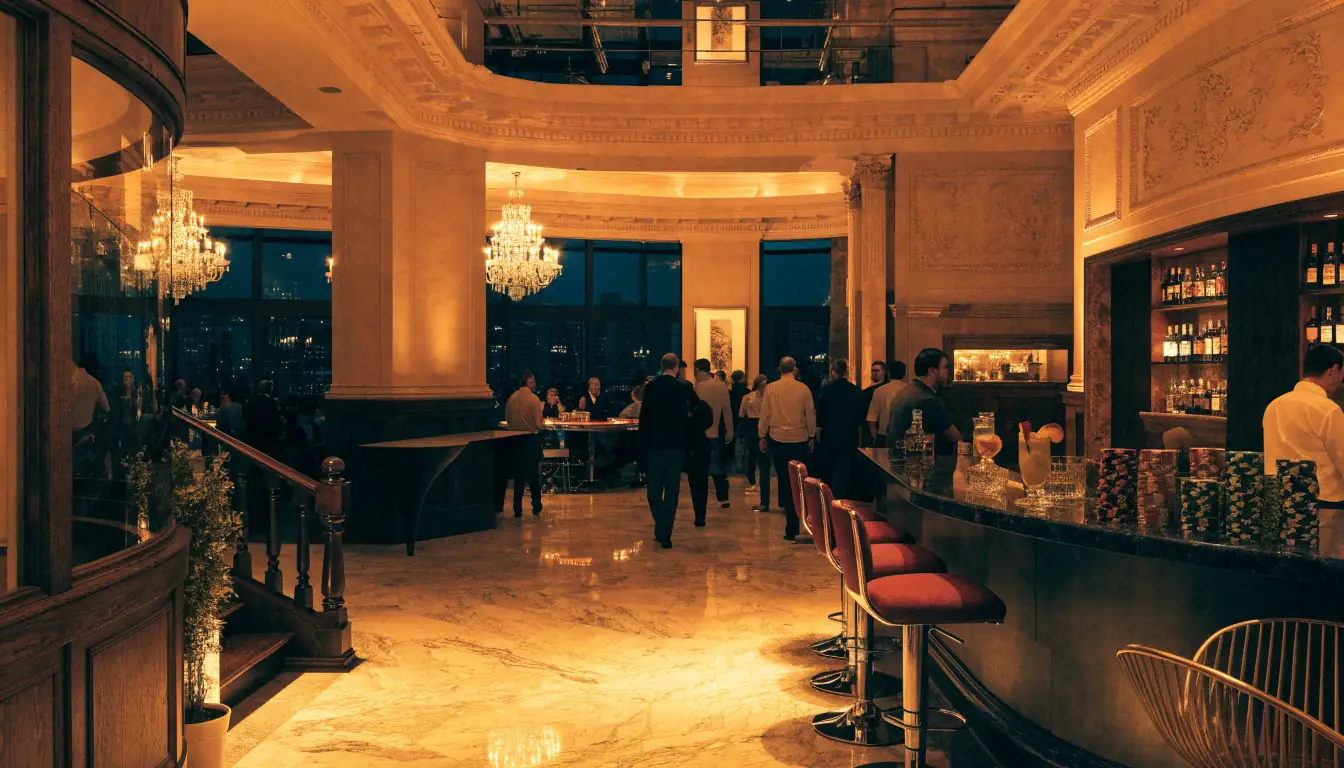

The same check applies to email addresses, enquiry forms and social accounts. Contact details should be matched to the subject: general enquiries, accessibility, group bookings and event enquiries may be routed differently. If the issue concerns a booking, a charge or a particular visit, retain the relevant confirmation or transaction record and state the date and reference clearly. That makes it easier to distinguish a venue enquiry from a general question without assuming that a listing provides a particular service.
Baccarat and craps
A request for baccarat or craps information needs a precise distinction between game rules and local availability. General rules can explain how a game works, but they do not establish that it is offered at a specific Brisbane venue, in a particular format or at a particular time. A current venue source is needed to confirm any table-game listing, access conditions and operating arrangements. Those details can change, and a third-party directory may not be updated when they do.
The word “casino” in a listing is not enough to verify a named game. Nor does a game description confirm that a physical table is open to visitors. Where the question is about an in-person venue, confirmation should come from its own current information channel. This avoids confusing general gaming content with a service actually available at the location.
Bar and car-park details
A reference to a casino bar should also be checked against current venue information. The word may describe a licensed bar, a restaurant bar or simply a feature in an old listing; it does not verify that a bar exists at the property or indicate its access arrangements. Food and menu questions belong with dining information, while a bar-specific enquiry should be directed to the venue and checked separately.
Likewise, a map pin is not proof of a car park. A map can help identify an entrance or surrounding streets, but it cannot confirm whether parking is provided, who may use it, or what conditions apply. Before setting out, verify parking details through an official venue channel and check that the map points to the intended entrance rather than a nearby address. No parking cost or access rule should be inferred from a third-party map.
Concert listings and maps
Concert references require confirmation of the event, venue and date from a current listing. An old announcement can remain visible after arrangements change, while a result that names the casino may refer to a nearby performance space rather than an event held inside it. The listing should identify the actual venue and provide a reliable route to the organiser or box office for ticket and access questions.
A map is most useful after the destination has been confirmed. Cross-check the venue name, street location and entrance against the operator’s own directions, especially where an event listing uses a broad precinct label. Contact details, gaming descriptions, bar references, parking information and concert notices answer different questions; one cannot verify the others.

Opening Hours, Events and Development Queries
Is the casino open?
Opening status is time-sensitive. A venue may have ordinary trading hours, temporary closures or changes to particular services, and a listing can remain online after its details have changed. A Brisbane casino review or directory entry is therefore not enough to establish whether the venue is open on a particular day.
The reliable check is a current notice published by the venue or its operator. The notice should identify the relevant date and, where applicable, the area or service affected. If it gives only general hours, that does not confirm that every part of the venue is operating. Where no dated update is available, opening status remains unconfirmed; a search result is not a substitute for a current notice.
The same standard applies to reopening information. A headline about a possible return, proposed change or past closure does not establish that a reopening has taken place. Confirmation should come from an official update that states the present status, rather than an older article or an undated business listing.
Events and entertainment
Event listings can change, and an announcement may describe a proposal rather than a confirmed programme. Before relying on a listing, check that it comes from an official venue or event organiser and that it gives a current date and venue details. If those particulars are absent, the practical status of the event is uncertain.
Entertainment information also needs to be read in context. A general description of the venue does not confirm a particular performance, schedule or activity. A dated listing is more useful than broad promotional wording; it allows the advertised event to be distinguished from entertainment that may have occurred previously. No schedule should be inferred from a past event notice.
Employment and development
Employment information is similarly dependent on current postings. A general statement about careers does not establish that a role is vacant. A usable listing should identify the employer, position and application route, with the posting’s current status checked before any application is prepared. Old vacancy pages can remain visible after recruitment has ended.
Development news needs a separate distinction between plans and completed work. Announcements, proposals and public discussion do not by themselves confirm approval, construction or completion. A current statement from the relevant operator or an authoritative public update should make clear what stage a project has reached. Without that distinction, “development” may refer to an idea rather than a change on the ground.
Menus and reviews
A menu is food information, not evidence that the venue is open or that an event is taking place. Menu details belong with the venue’s current dining information and should be checked there for date and applicability. Reviews can help describe a past visit, but they cannot confirm present hours, current entertainment, available jobs or development status. For those decisions, the useful evidence is a dated, relevant update—not a favourable impression or an old listing.

Address, Dress Code, Bars and Spa Searches
An address is the starting point for identifying a venue, not proof that a map result is current or refers to the intended entrance. Listings can differ in how they label a property or show its access points. Before relying on a location, compare the venue name and street address across an official venue listing and a current map entry. If they do not match, treat the discrepancy as unresolved rather than choosing the more prominent result.
Dress-code information needs the same care. A general description such as “smart casual” is not a complete policy: requirements may differ by area or change over time. A listing that omits restrictions cannot establish that every style of clothing is accepted. For a planned visit, the useful detail is the current policy for the specific area being entered, not an assumption drawn from photographs or older reviews.

Bar searches raise a separate question from restaurant searches. A venue listing may mention a bar without confirming its location, entry conditions or current service. Those details matter when the plan depends on a particular setting; a broad reference to bars does not establish which options are operating or what they provide. The practical check is whether a current venue source identifies the specific bar and its terms.
The same distinction applies to spa searches. A spa associated with a casino may be a separate business, a nearby provider, or simply an outdated listing. The word “spa” alone does not confirm that a facility is on site, open to casino visitors or available without separate arrangements. A day-spa result should be checked for its operator and address rather than treated as a casino amenity by default.
Careers and games are also different from location and facilities. Employment information should be tied to the relevant employer’s current recruitment channel; a venue name in a job listing does not establish who is hiring. “Games” may refer to entertainment, casino gaming or something else, so the label needs context before it can support a conclusion about what is offered.
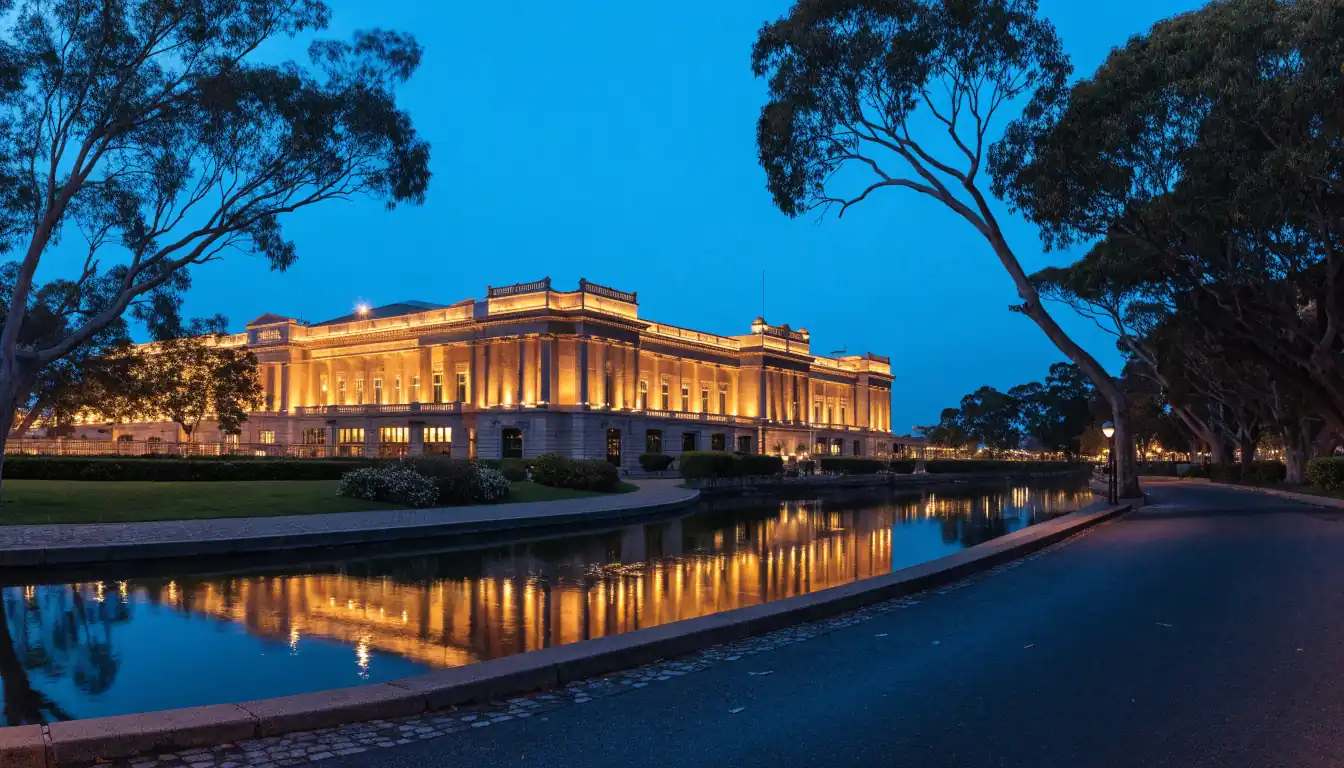
For each practical detail, the decision rule is straightforward: rely on a current, venue-specific statement, and do not convert an incomplete listing into a promise. An address, dress policy, bar reference or spa label has value only when it identifies the place or service clearly enough to act on.
Poker Rooms and Tournament Searches
A poker room, a poker tournament and a venue’s Electronic Gaming Machines (EGMs) are different things. A listing that mentions casino gaming does not, by itself, establish that the venue has poker tables, runs scheduled tournaments or accepts entries for a particular event. Those details need confirmation from the venue before plans are made.
The available NSW information illustrates why the distinction matters. Club Liverpool is identified as having the largest number of operational poker machines among clubs in NSW. That is a statement about EGMs at a club in another state, not evidence of a poker room or tournament in Brisbane. NSW’s minimum gambling age for poker machines is 18, and the state has mandatory pre-commitment systems under which players set a loss limit before playing. Those rules describe NSW arrangements; they do not establish Brisbane venue facilities or local requirements.

A useful listing should identify the activity precisely. “Poker” may refer to a table game, a competition, or a casual game hosted by a private group; it may also be used loosely in material about poker machines. Before relying on a listing, confirm whether it describes a staffed poker room, a scheduled tournament, or EGMs. For an event, the material should make clear whether registration is open, how entry is handled, what format is played and whether the stated date and session are current. Without those particulars, a general reference to poker is not an event confirmation.
Tournament information is time-sensitive. A past event page can remain visible after registrations close, while a venue profile may describe facilities without confirming that any tournament is planned. A current event notice should identify the organiser and the relevant session, and the venue should be able to confirm that the notice still applies. If the listing provides no date or event-specific details, it cannot support a conclusion that a tournament is taking place.
The same care applies to searches for a Brisbane casino poker room or for poker at a casino in Brisbane. Search results can combine venues, gaming terminology and event listings from different locations. A nearby sports bar entry or an “open” status label is not proof of poker facilities, tournament access or a live event. These are separate venue details and should be checked separately rather than inferred from one another.
For poker machine gambling, age and identification checks are also separate from tournament registration. NSW sets the legal age for poker machines at 18 and uses mandatory pre-commitment; those NSW rules should not be presented as Brisbane rules. Venues must check identification for poker machine gambling, and non-compliance with applicable gambling requirements can have legal consequences. A tournament listing should not be treated as a substitute for confirming the rules that apply to the specific activity and location.

The practical standard is simple: a claim about poker facilities needs a current venue confirmation, and a claim about a tournament needs current event details. Neither a room label nor a general casino description supplies those particulars. Until they are confirmed, the existence of a Brisbane poker room, a scheduled tournament or an available entry should remain unassumed.
Are online casino-style games restricted in Australia?
Yes. The Interactive Gambling Act restricts Australian-based operators from offering online pokies, blackjack and roulette to players in Australia. Offshore sites may be accessible, but games can be blocked for Australian players because of licensing or provider restrictions.
What does the legal status of offshore online casinos and NSW gambling law say?
Australian players are not technically prohibited from using offshore casinos, but those platforms are not regulated under Australian law. In NSW, the minimum age for playing poker machines is 18, and players must set a loss limit before playing.
How do club pokies and online pokies compare?
Club pokies are played at venues such as clubs, where NSW rules include an age minimum of 18 and mandatory loss-limit pre-commitment. Online pokies use an RNG, and each spin is independent of previous spins.
What features should I look for when choosing an online pokie?
Check the RTP, whether the game has a progressive jackpot or a bonus-buy option, and the terms attached to free spins. Free-spin winnings commonly carry wagering requirements, so review how much wagering is required before withdrawal.
Prepared by the Redspin Casino editorial staff.